Climate Change Related Research at WSU
Climate change impacts nearly every aspect of our society and environment with ramifications that span local, state, national, and global scales. As an R1 institution and the land grant university in the state of Washington, WSU recognizes its opportunities for, and capacity to, support climate change related research that addresses climate change impacts to our natural and built environments, and to human, animal, and ecosystem health.
To this end, CEREO and the Office of Research Advancement and Partnerships (ORAP) are working to support WSU’s current research capacity while providing new opportunities to explore innovative research aimed at addressing critical climate change-related issues in Washington and beyond.
WSU C2R2 Research Strengths
WSU has long curated the depth and breadth required to explore how humans and natural systems are responding and adapting to climate change. There are over 60 departments or other academic units currently engaged in climate change related research across the WSU system. The Office of Research has identified many of these research areas as WSU Strengths: https://research.wsu.edu/strengths-impact/topics.
Current Activities and Opportunities
Please check back soon!
Previous Activities and Opportunities
This workshop is designed to support teams interested in pursuing funding for a climate-change related research topics. Participating teams will leverage CEREO expertise in interdisciplinary proposal development to collaboratively refine a research question and plan for proposal submission. Two of the participating teams will each be awarded a $5,000 grant to support their proposal submission within 12 months. To learn more and apply, visit: https://cereo.wsu.edu/c2r2-at-wsu/2025-5k-workshop/
Center for Environmental Research, Education, and Outreach (CEREO) is hosting the “Engaged Climate Research – Proposal Development Workshop” on May 8-9, 2025.
2025 Grant Awardees:
Fire-SMART Residential Dwellings in Wildland-Urban Interface – Avishek Chandra, Pouria Bahmani, Hongtao Dang
Dynamic relationships between environmental monitoring and governance in socio-hydrologic systems- Hannah Haemmerli, Alex Fremier, Daniel Auerbach, Amanda Stahl
CEREO is hosting monthly “Climate & Coffee” networking events to bring together individuals interested in further developing or initiating research ideas related to climate change issues.
Take an hour out of your schedule to re-energize yourself through opportunities to network over coffee and snacks, followed by time to brainstorm research ideas. You are welcome to bring ideas in any stage of development, from a spark of interest but no prior experience, to a resubmission of an existing idea.
We will provide “food for thought” in the form of actual food and an overview of upcoming RFPs that might be of interest to the CEREO community. New RFPs from diverse funding sources will be highlighted in each session.
Our next event will be March 25th at 3pm in Lighty Coffee Shop.
CEREO and ORAP co-sponsored two Climate and Environmental Research Proposal Development Workshops. We understand that large, interdisciplinary proposal development can be a daunting challenge. Luckily, CEREO specializes in providing support and expertise for environment and climate change focused proposal development. This opportunity will allow research teams to apply for a two-day, hosted, in-person workshop to work with CEREO towards rapidly building interdisciplinary team cohesion and moving research ideas to proposal drafts.
The funded workshops will include:
- Travel support for team members (up to $2,000),
- Meeting space and refreshments (inc. breakfast & lunch) for two days,
- Guided training on building a compelling interdisciplinary research proposal – incl. enhancing team cohesion, developing a compelling core idea, and post-workshop support for continued proposal development1.
1 CEREO facilitates large and interdisciplinary proposals with assistance from the Office of Research. Funded workshop teams will be expected to coordinate and submit their proposals through CEREO, as explained during the in-person and virtual discussions. Proposals that are submitted through CEREO do not take credit from the team’s departments, and F&A gets routed back to the units.
In Spring 2024, the C2R2 working group held a series workshops geared towards faculty teams who are interested in interdisciplinary, climate change-related, and/or environmental-focused proposal development. Each discussion session focused on a specific call and included a general overview of the request for proposals, specific advice for successful submissions, and time for idea generation with colleagues.
| Date/Time | RFP Topic | Location |
| Thursday, 2/15/2024 3:30 PM | NSF Research Experiences for Undergraduates (REU) Call for proposals here: Due Aug 21, 2024 Register here (Pullman and Non-Pullman should register) | Pullman- Lighty 403 Non-Pullman: via zoom |
| Wednesday, 2/21/2024 4:00 PM | NSF National Research Traineeships (NRT) Call for proposals here: Due Sept 6, 2024 Register here (Pullman and Non-Pullman should register) | Pullman- Lighty 401 Non-Pullman: via zoom |
| Tuesday, 2/27/2024 4:00 PM | NSF Dynamics of Integrated Socio-Environmental Systems (DISES) Call for proposals here: Due Nov 17, 2024 Register here (Pullman and Non-Pullman should register) | Pullman- Lighty 401 Non-Pullman: via zoom |
| Wednesday, 3/6/2024 4:00 PM | USDA Sustainable Agricultural Systems (SAS) Call for proposals here: Due Dec 31, 2024 Register here (Pullman and Non-Pullman should register) | Pullman- Lighty 401 Non-Pullman: via zoom |
In an effort to better understand the C2R2 landscape at WSU, this working group held three scoping workshops in Fall 2023 to identify climate change related strengths at WSU. The insights gained from these workshops will be used to help align WSU strategic initiatives and resources to support these critical areas of work in the coming years.
The fall workshops explored broad areas of climate change and related impacts to human, animal, and ecosystem health, focusing on the following themes where WSU has a expertise: 1) Regenerative Practices in Natural Resources and Environmental Management 2) Renewable Energy Mitigation and Adaptation Strategies, and 3) Sustainable Built Environments.
Faculty and staff were invited to discuss research efforts within these themes and potential tractable, high-yield pathways for catalyzing new research.
See the summary report from these workshops- coming soon.
The hack-a-thon model was used to to foster new, interdisciplinary networks to advance pressing climate change related research by bringing together 20 researchers spanning Extension, humanities, social, natural, and physical sciences, and engineering. Over the course of two days, participants were tasked with generating new interdisciplinary, climate change related research questions and pitching compelling proposals to address these identified areas. Teams with the best pitches received seed grant funds from ORAP to continue developing their ideas while seeking funding opportunities to pursue the proposed work.
Pitches that received seed grant funds included:
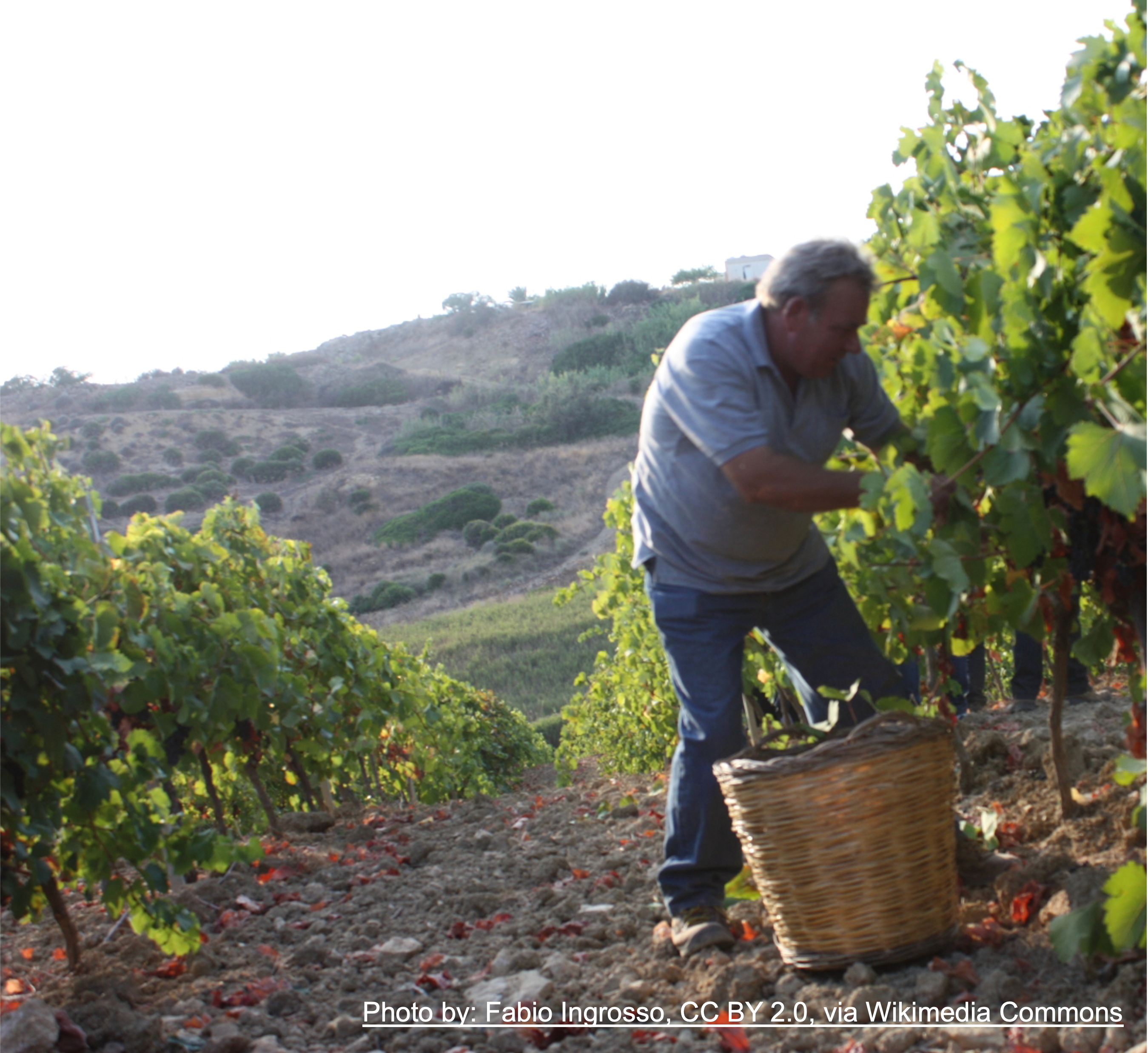
Adaptation of Human and Animal Health Systems to Climate Change
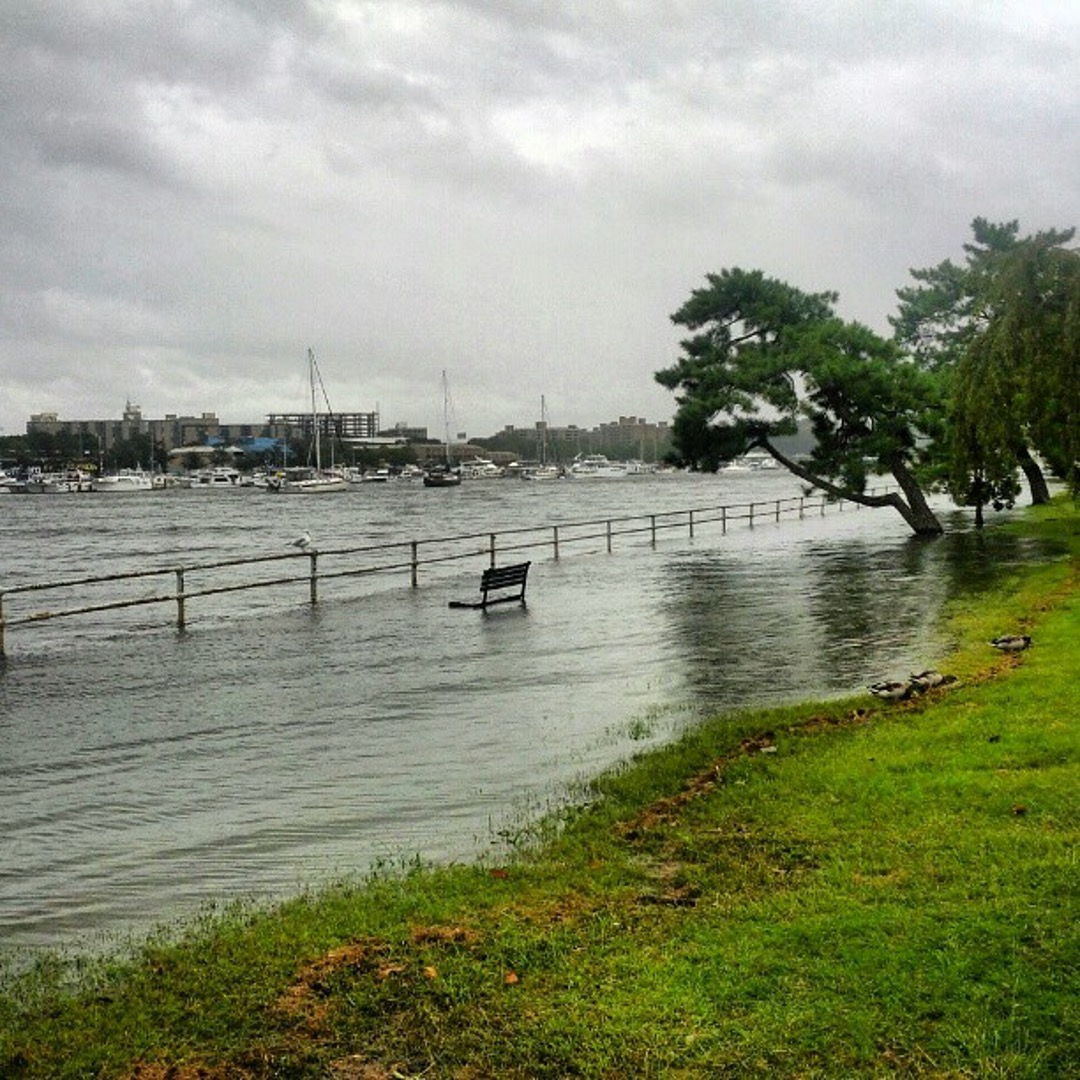
Climate Based Human Migration

Climate Together: A Citizen Climate Science App
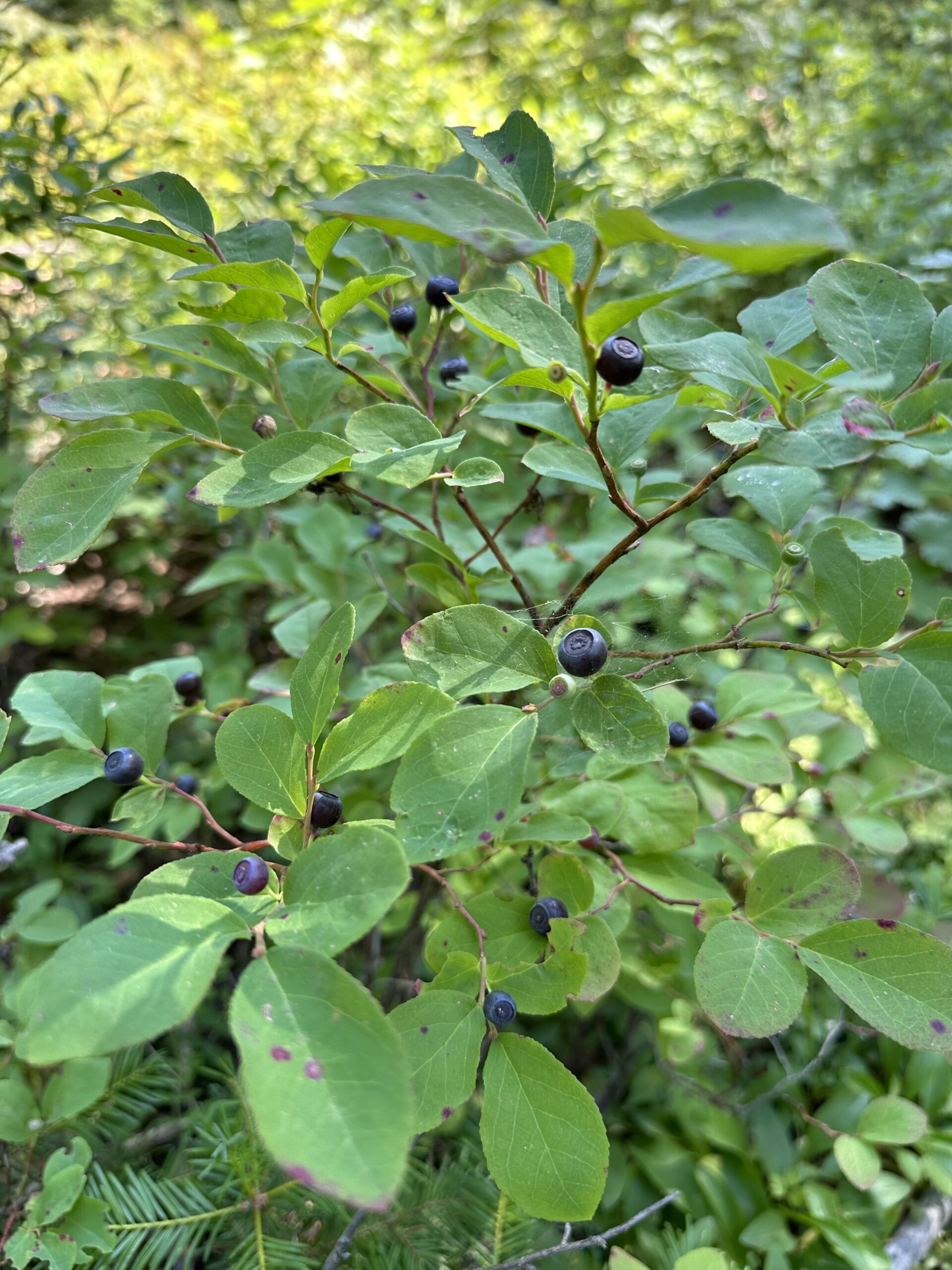
Forest Gardens: Resilient landscapes for healing